

Eyebag Surgery: Everything You Need to Know About Lower Eyelid Rejuvenation
Key Benefits
Patients seek eyebag removal surgery for its transformative effects. Key benefits include:
- Reduction of under-eye bags and puffiness
- Smoother, tighter lower eyelid skin
- Diminished appearance of dark circles
- A more youthful, rested facial appearance
- Long-lasting or permanent results
- Improved facial symmetry and contour
This procedure targets one of the most noticeable areas of aging and fatigue, making a significant difference in overall appearance.
 Duration
1 mins to 2 hours
 Recovery Period
2 to 4 weeks
What Is Eyebag Surgery?
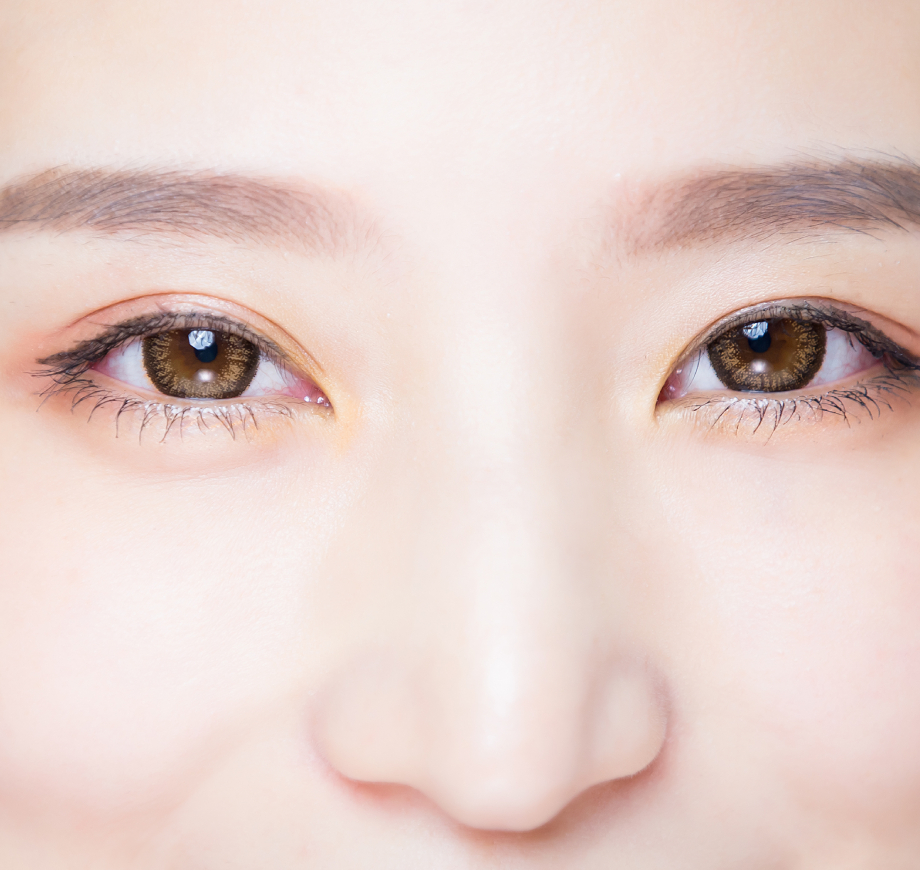
Eyebag surgery, also known as lower blepharoplasty, is a popular cosmetic procedure designed to reduce puffiness, sagging skin, and dark circles under the eyes. As we age, the skin around the eyes begins to lose elasticity, and fat can accumulate, leading to tired or aged-looking eyes. This surgery can dramatically rejuvenate the midface and restore confidence in your appearance.
Types and Treatment Options
There are two main tapes of blepharoplasty and the choice of technique would depend on the severity of under-eye concerns and the patient’s anatomy:
-
Transconjunctival Blepharoplasty (Scarless blepharoplasty)
-
Subciliary Blepharoplasty (Transcutaneous Blepharoplasty)
-
Laser Blepharoplasty

Who Is Suitable?
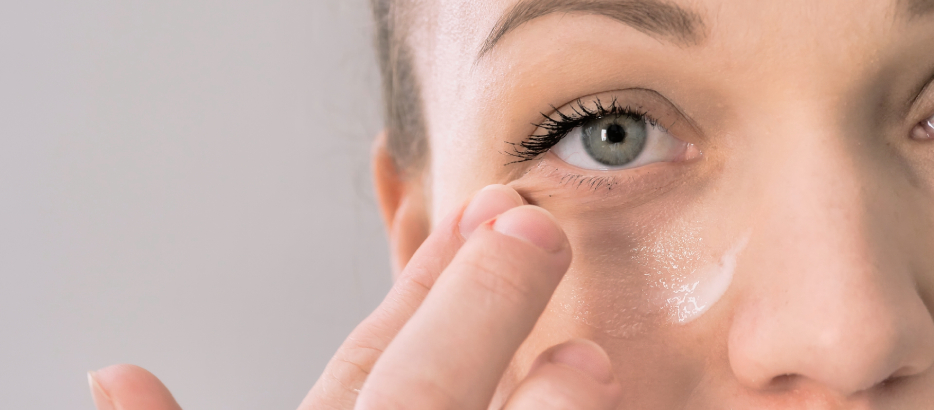
Ideal candidates for eyebag surgery typically include:
- Individuals with puffy under-eye bags or loose lower eyelid skin
- Patients who are bothered by their tired or aged eye appearance
- Men and women typically aged 30 and older experiencing early signs of aging
- Non-smokers in good overall health
- People with realistic expectations and no serious eye conditions
A board-certified plastic surgeon can assess your anatomy and aesthetic goals to determine the best treatment option.

Adjunct Procedures Often Combined with Treatment
Eyebag surgery can be performed alone or combined with other facial rejuvenation procedures for more comprehensive results:
- Upper blepharoplasty
- Midface lift
- Fat grafting
- Laser resurfacing
- Laser resurfacing
- Botox or dermal fillers
- RFAL/RF micro-needling (Accutite and Morpheus 8)
Combining procedures can enhance balance and achieve a refreshed, natural appearance.
What to Expect
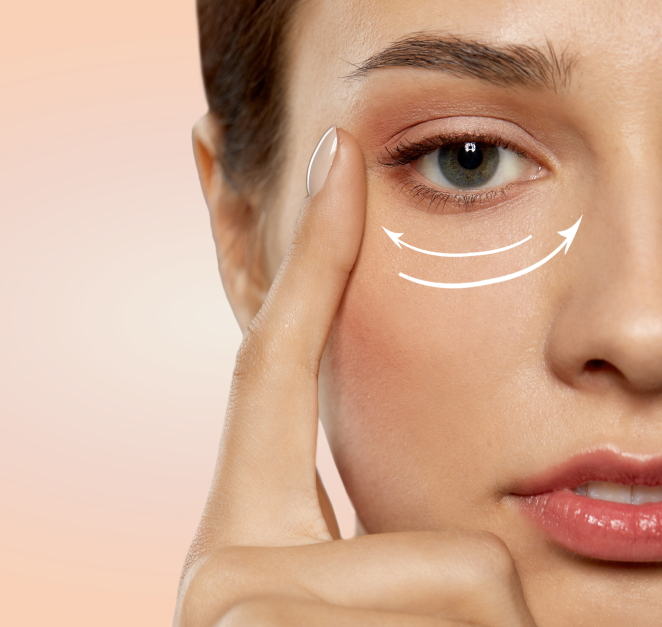
Eyebag surgery is typically performed under local anesthesia with sedation or general anesthesia, depending on complexity. The procedure usually lasts 1 to 2 hours and involves:
- Incision placement (inside the eyelid or below the lash line)
- Removal or repositioning of fat pads
- Skin tightening or trimming
- Suture placement for wound closure
Patients can return home the same day with post-operative care instructions for a smooth recovery.

Recovery Process
Most patients experience a straightforward recovery with the following timeline:
- Days 1–3: Swelling and mild bruising begin; cold compresses and rest are advised
- Week 1: Stitches (if any) are removed; bruising begins to subside
- Week 2: Most swelling resolves; patients return to work and social activities
- Month 1–3: Incisions fully heal and final results continue to refine
Patients should avoid heavy lifting, strenuous activity, and smoking during recovery. Wearing sunglasses and using sunscreen can help protect healing skin.
 Risks and Complications
While eyebag surgery is considered safe, it does carry potential risks like any surgical procedure:
- Infection or bleeding
- Temporary blurred vision or dryness
- Visible scarring or pigment changes
- Eyelid asymmetry or malposition (e.g., ectropion)
- Unsatisfactory cosmetic results or need for revision surgery
-
Selecting a skilled and experienced plastic surgeon reduces the likelihood of complications and ensures better outcomes.
Frequently Asked Questions
Discomfort is generally mild and well-controlled with prescribed pain medication. Most patients describe it as soreness or tightness rather than pain.
If the transconjunctival technique is used, there are no visible scars. With the transcutaneous method, the scar is hidden just beneath the lash line and usually fades well.
Results are long-lasting and often permanent, though natural aging will continue. Most patients enjoy youthful results for 10 years or more.
Yes. Combining with upper eyelid surgery, fillers, or laser treatments can provide a more complete facial rejuvenation.
Most patients can resume wearing eye makeup after 10 to 14 days, once the incisions have sufficiently healed.