


From Weight Loss to Body Transformation
01 April 2026
The Science Behind the B.E.S.T. Programme
Sustainable weight management requires more than dieting alone. Achieving lasting results often requires a combination of medical guidance, nutrition, exercise and body composition monitoring.
Within the B.E.S.T. programme, every patient begins with a comprehensive medical assessment.
This allows us to understand the factors that influence an individual’s weight, metabolism and overall health.
Doctor-Led Medical Assessment
Weight Changes are influenced by many factors, including:
• metabolism
• hormonal balance
• lifestyle habits
• body composition/muscle mass
A doctor-led evaluation helps determine the most appropriate strategy for each patient.
For some individuals, medical weight loss treatments such as GLP-1 medications may be considered.
GLP-1 Medications for Weight Loss
GLP-1 medications such as semaglutide and tirzepatide help regulate appetite and metabolic signals in the body.
These medications can:
• reduce appetite
• reduce cravings/food noise
• improve satiety
• support weight loss
• improve metabolic health
However, medication alone is rarely enough.
Without the right nutrition and strength training strategies, weight loss may also lead to loss of muscle mass rather than fat.
Personalised Guidance Throughout the Programme
Patients enrolled in the programme continue to receive ongoing support through the B.E.S.T. WhatsApp group, where the multidisciplinary team remains actively involved in guiding their progress.
This allows patients to seek advice in real time — whether they are:
• deciding what to order at a restaurant
• choosing healthier options at the supermarket
• adjusting their exercise routines
• or managing aspects of their GLP-1 medications
Because the plastic surgeon, dietitian and trainer work closely together, the team can also adjust the medical, nutrition and training components as the patient progresses.
This ensures that every journey through the programme is truly customised and personalised, with the team supporting patients every step of the way.
Nutrition Coaching

Nutrition plays a central role in sustainable weight management.
Rather than prescribing restrictive diets, the focus is on practical strategies that work in everyday life.
Patients receive guidance on:
• balanced nutrition
• portion awareness
• home cooking tips and recipes
• eating out strategies
• sustainable eating habits
The aim is to help patients develop a healthier relationship with food that can be maintained long-term.
Strength Training and Body Composition

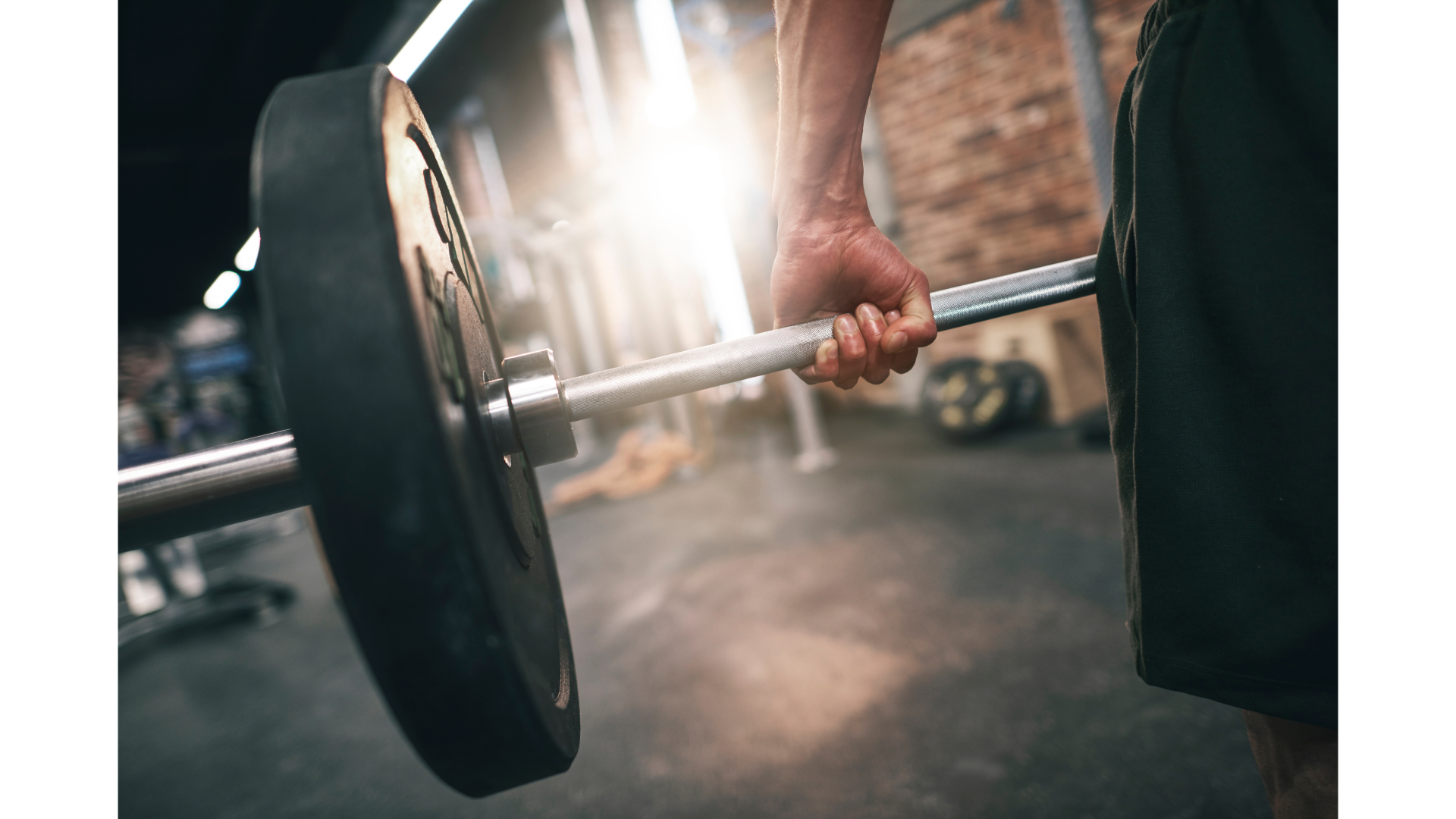
Healthy transformation is not just about losing weight — it is about improving body composition.
Strength training helps:
• preserve lean muscle mass
• improve metabolism
• increase energy levels
• support long-term weight stability
This is why the programme incorporates structured strength training guidance.
What Does Plastic Surgery Have to do with Weight Management?

Liposuction and Weight Loss
One of the most common misconceptions patients have is that liposuction is a weight loss procedure.
In reality, liposuction is designed for body contouring rather than weight loss.
It works best when patients are already close to their target weight and have achieved a stable weight.
For this reason, sustainable weight management is often the first step before considering body contouring procedures.
Managing Skin Laxity After Weight Loss
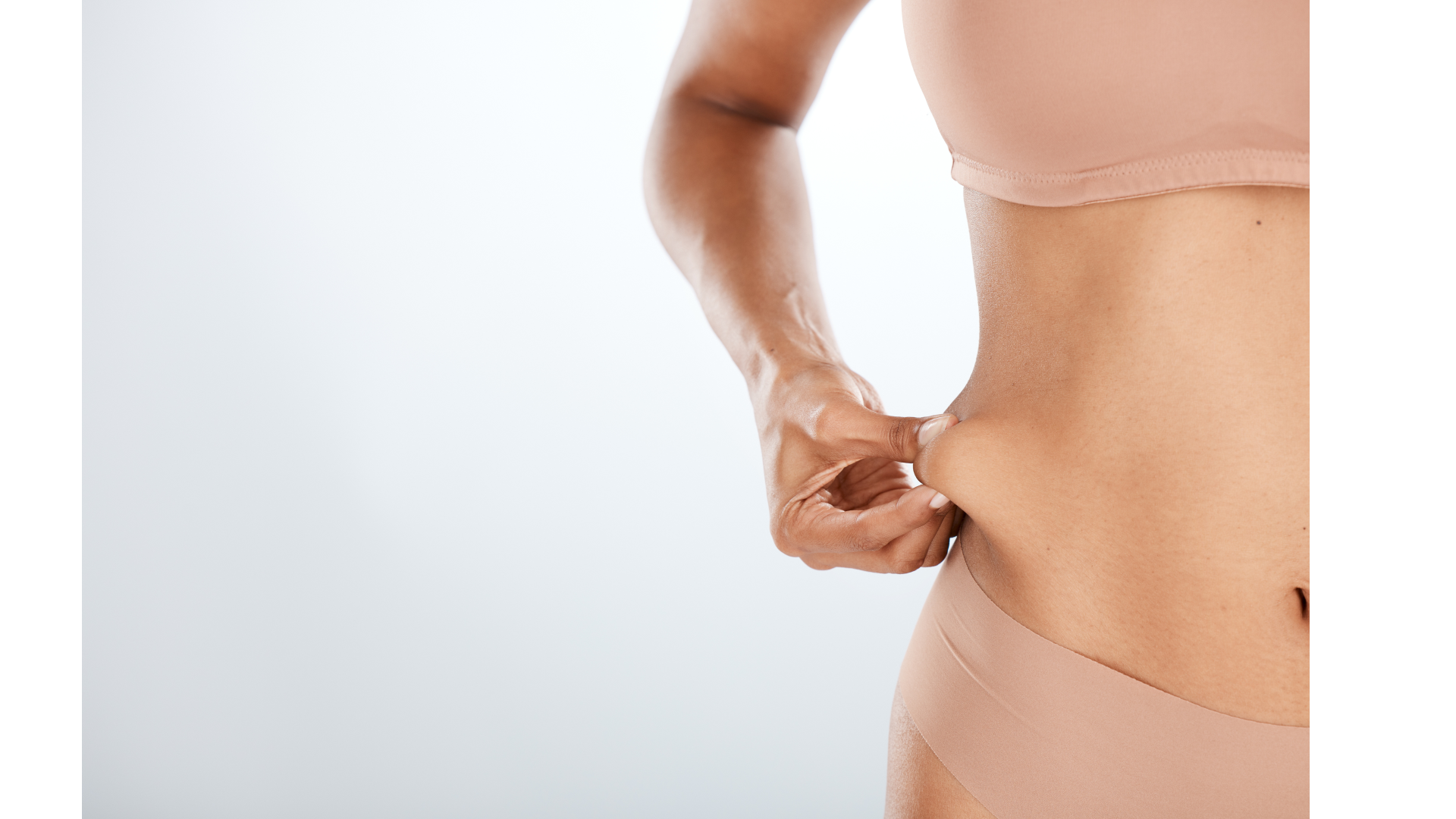
Significant weight loss can sometimes lead to skin laxity or excess skin. This can be very disheartening for patients who have worked so hard and lost so much weight. Yet the bulges persist and the clothing do not fit. In severe cases, the skin excess gets in the way of exercises and causes skin irritation due to constant abrasion of the skin folds.
For mild cases, non-surgical treatments may help improve skin quality and collagen production.
For mild to moderate cases, or those who are not prepared to undergo surgery, minimally invasive options like Radiofrequency Assisted Lipolysis (RFAL) are options available to help tighten the skin.
However, when excess skin is more significant, surgical procedures may provide more effective results.
These may include:
• Abdominoplasty (tummy tuck)
• Brachioplasty (arm lift)
• Thigh lift surgery
• Body lift procedures
• Liposuction for contouring
• Breast augmentation
• Breast lift (mastopexy)
These procedures are typically considered once a stable weight has been achieved.
Completing the Transformation
For many patients, body contouring procedures represent the final stage of their transformation journey.
When combined with sustainable weight management, these procedures can help restore balance, confidence and body contour.
Start Your B.E.S.T. Transformation
The B.E.S.T. programme was created to support patients through every stage of this journey — from sustainable weight management to body transformation.
If you would like to learn more about the B.E.S.T. Weight Management Programme, we invite you to schedule a consultation to explore whether this approach may be suitable for you.


